Flaxseed
The Benefits of FLAXSEED in human health, nutrition and disease
Compiled by Ben Umeze MD, MPH
Many health conscious consumers and shoppers in this new century have recognized flaxseed as one of the most beneficial of all superfoods. Well- stocked in this humble seed are two noble compounds Lignans and Alpha-Linolenic acid (Omega-3, - essential fatty acids), now identified as potentially very effective foes of heart attack, breast, prostate and colon cancers, arthritis, severe menstrual cramps, yes, including depression. Even more remarkable is the well known fact that flaxseed contains more of these compounds than any other food by a huge margin.
Flaxseed is an ancient food native to EUROASIA. The first recorded use comes from Babylon where it was cultivated as food by 5000 B.C.
“There is nobody who wont benefit from adding flaxseed to his or her diet” — Stephen Cunnane, PhD of the University of Toronto, a top flaxseed researcher
There is nobody who wont benefit from adding flaxseed to his or her diet. Stephen Cunnane, PhD of the University of Toronto, a top flaxseed researcher said
The father of modern medicine, Hippocrates, the Greek physician, by 650 B.C. wrote about the use of flax to relieve inflammation of mucous membrane and for the relief of abdominal pains and diarrhea. At about the same time Theophrastus was recommending the use of flax mucilage against cough and ancient Indian Scriptures were stating that in order to reach the highest state of contentment and joy, a yogi must eat flax daily. In the first Century A.D. Tacitus praised the virtues of flax.
By the 8th Century A.D. Charlemagne one the greatest medieval kings, considered flax so important that for the health of his subjects he passed laws and regulation requiring its consumption. In the 13th Century A.D. Hildegard Von Bigen used flax meal during the Middle Ages in hot compresses for the treatment of both external and internal ailments. Mahatma Ghandi said that when flaxseed was added to people's diet their health improved.
Despite being used as food for over 5000 years, flax has only in recent years received serious scientific study. Research has confirmed that flaxseed lowers blood cholesterol levels that are associated with heart attack and strokes, reduces the thickness of blood, lowers arterial blood pressure, prevents breast and colon cancers, improves moods, diminishes allergies, improves diabetes and produces healthier skin.
In 1994, the food and drug administration (FDA) started a three year $2 million contract with the National Cancer Institute to study the effects of flaxseed on a number health concerns. This was part of the institute's on going program on a list of foods including tea, garlic etc currently being investigated and often referred to as "functional food", "designer foods" or even "nutraceuticals". The FDA is conducting these experiments to confirm flaxseed's role in fat and cholesterol metabolism, bone mineralization and in strengthening the immune system.
The cool long days at the Northern Edge of Canada's arable land (north of the 53rd parallel) increase the level of essential fatty acids and oils in flaxseed.
Whole milled flaxseed grown north of the 53rd parallel contains 38-44% oil and up to 60% of this oil is linolenic acid - the Omega-3 fatty acid.
MILLED FLAXSEED IS DIGESTIBLE, WHILE WHOLE UNMILLED FLAXSEED IS NOT. If you are purchasing and consuming the whole flaxseed, it's not being digested and is merely passing in and out through your G.I. tract indeed creating extra work for the sewage or sanitation department in your town.
Nutritional researchers unanimously agree that the health benefits of flaxseed are predominantly due to its rich content of lignans, fibre and essential fatty acids specifically the omega 3 fatty acids in addition to a full spectrum of vitamins, minerals, antioxidants, etc.
LIGNANS: Reports published by Aldercreutz from Karolinske Institute in Sweden, show that flaxseed contains 800mg/kg lignans (a documented anti-cancer agent), a hundred times more than the best whole grains. The benefits of lignans in the prevention of the colon and mammary cancers are available to every one by simply adding milled flaxseed to one's diet. (Aldercreutz, H. Does Fibre-Rich Food containing Lignan Precursors Protect Against Both colon and Breast cancer? An extension of the Fibre Hypothesis, Gastroenterology 4 No. 86 (1984): 761-766).
FIBRE in flaxseed is famous for its effect in lowering cholesterol, probably because it prevents cholesterol and bile acids from being reabsorbed into the body. Instead, they attach to the fibre and are carried out of the body with the wastes. Finally, fiber is known for its ability to soften the stool, prevent constipation, and maintain regularity. (Eramus, U. Fats and Oils, Vancouver: Alive Books, 1986)
MUCILAGE (soluble fibre), a gum-like substance located below the seed's outer coat, has the ability to buffer excess acids, acts as a natural laxative to soothe and protect the sensitive intestinal lining and improve regularity without side effects. Flax mucilage prevents reabsorption of bile acids, reduces absorption of cholesterol from foods, and/or increases the amount of cholesterol excreted. Flax mucilage aids in the stabilization and modulation of blood glucose.
ESSENTIAL FATTY ACIDS: Donald O. Rudin, M.D., a medical researcher, contends that the level of linolenic acid in the American diet has been reduced by 80% in the past 100 years. (Rudin, D.O., and Felix, C., The Omega-3 Phenomenon, New York Rawson Associates, 1987.) Dr. Rudin found that Omega-3 fatty acids deficiency is the basic cause of major mental illness today. (Biological Psychiatry, Vol. 16 No. 9, 1981)
form the membranes of every one of the billions of cells in our bodies
control the way cholesterol works in our system
are the only fats that become prostaglandins, which play key roles regulating the cardiovascular, immune, digestive and reproductive functions; inflammation and healing; functioning of the brain; and body heat and calorie burning (weight loss)
The body cannot manufacture the essential fatty acids, linoleic (omega 6) or linolenic (omega 3) from other elements. They must be supplied daily in the diet. In the typical North American diet we consume too much Omega 6 and not enough Omega 3 (you should reduce your total fat, but ensure adequate supplies of the essential Omega 3). The proportion of Omega-6 to Omega-3 in the diet is very crucial for optimum health. The ratio of Omega-6 to Omega-3 should never be greater than 4 to 1. Today a typical ratio in most people's diet in North America is in excess of 20 to 1 - a health disaster waiting to explode.
Equally important advice is for every one to avoid the use of all hydrogenated/partially hydrogenated oils including vegetable oil shortening and margarine as they are the source of the unhealthy Trans fatty acids. When nutritionally valuable oil is subjected to hydrogenation, the polysaturated essential fatty acids Omega 6 and Omega 3 are converted to saturated fat (which we are getting too much of), or even worse, they are transformed into Trans Fatty Acids.
SOURCES OF THE ESSENTIAL FATTY ACIDS
| Source |
Fat content Total% |
Linolenic% (Omega 3) |
Linoleic% (Omega 6) |
Both essentials Total % |
| Flaxseed | 43 |
56-60 | 14-15 | 71-75 |
| Linola | 43 | 2 | 70 | 72 |
| Soy Bean | 18 | 9 | 50 | 59 |
| Pumpkin | 47 | 15 | 42 | 57 |
| Walnut | 60 | 5 | 51 | 56 |
| Safflower | 59 | 0 | 75 | |
| Sunflower | 47 | 0 | 65 | |
| Corn | 4 | 0 | 5 | |
Wheat Germ |
10 | 0 | 54 |
The Benefits of FLAXSEED in human health, nutrition and disease compiled by Ben Umeze MD, MPH.
A tablespoon of milled flaxseed also contains up to 3800 mg of Alpha linolenic acid, the primary Omega 3. This is 10 times as much as most fish oil capsules without the drawbacks, like the rancid taste, chemical residues, high cholesterol and saturated fat levels associated with fish oil.
All of the amino acids essential to human health are evident in flaxseed. The essential amino acids cannot be made by the human body and must be provided through diet.
Once milled flaxseed is exposed to air and light, rancidity develops rapidly and is evidenced by a bitter after taste- rancid milled flaxseed should not be eaten.
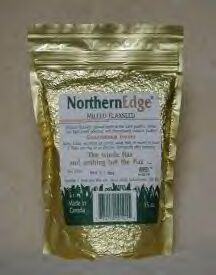
The best quality of certified organic milled flaxseed is cold milled (millhead temperature under 42C) directly into the consumer package (one package at a time) using a special flaking process that breaks up the seed - yet leaves the oil in the meat of the seed.
The re-sealable, light-proof, reusable package must be immediately vacuum-packed to remove the air and exclude light. This method of cold milling and immediate vacuum packaging ensures optimum freshness for ten months or more. Milled flaxseed combines the benefits obtained from consuming flaxseed oil, fibre preparations, lignan, mucilage (soluble fiber) and high quality protein all in one complete product, as nature intended.
Two tablespoons of milled flaxseed per day helps maintain regularity.
If presently on a low fibre diet, you may experience increased intestinal gas for the first day or two. Milled flaxseed absorbs 8 times its weight in water, so drinking extra water daily is essential. Fresh milled flaxseed has a light, nutty flavor and may be enjoyed on cereal, toast, in salads, as a desert topping, or mixed in fruit juice, yogurt, meal replacement or in protein drinks.
CAUTION: Milled flaxseed is the whole seed, milled to make its nutrients biologically available to the human digestive system; Flax meal, like soya bean meal, is the de-fatted portion of the seed - a by product of oil production
The North Edge Milled Flaxseed can be added uncooked into any type of food including oat meal, poached egg, salads, yogurt, or cottage cheese. It can also be mixed with ordinary water and consumed. It can be mixed with juice. Milled flaxseed is natural food and can be consumed in any number of ways that any individual can imagine.
In general people not used to it may start slowly with a teaspoon or two a day. Once you are used to the additional fibre, increase to 1 to 3 tablespoons a day, depending on your weight, diet, and physiological needs. Weight loss may occur when using three tablespoons or more of milled flaxseed per day.
Drinking one additional glass of water for each tablespoon of milled flaxseed consumed is essential.
Northern Edge is vacuum packed. It must be refrigerated after opening.
A 15 oz (425 gm) package contains 135 gm of essential fat, 118 gm of minerals including Boron and over 350 gm lignans.
Properties of flaxseed most likely responsible for benefit
| High cholesterol |
Soluble fiber - Lowers cholesterol by:
|
| Constipation |
Insoluble fiber -
absorbs water in the intestines and increases bulk and laxation. |
| High blood pressure |
Soluble fiber Omega
3 - anti-atherogenic and anti-inflammatory |
| Heart Disease |
Omega 3 Fatty Acids
Prostaglandins E 3 - anti-inflammatory Soluble fiber - lowers cholesterol |
| Diabetes |
|
| Autoimmune Disease e.g. Lupus |
Omega 3 fatty acids
- anti-inflammatory |
| Inflammatory Conditions e.g. Arthritis, Asthma |
Omega 3 fatty acids
- anti - inflammation |
| Mental Illness |
Omega 3 fatty acids -essential for brain function |
| Cancer |
Omega 3 fatty acids
|
| Stroke |
Omega 3 fatty acids - prevents spontaneous blood
clots |
| Skin
problems Such as eczema, psoriasis, dry skin, Dandruff |
Omega 3 fatty acids
|
| Sexual disorders e.g. impotence in men and non-orgasmic response in women |
Omega 3 fatty acids
|
| Calmness under stress |
Omega 3 fatty acids
|
| Water retention (edema) e.g. swollen limbs |
|
| PMS |
Omega 3 fatty acids |
| Vitality and Athletic activity |
Flax - increases metabolic rate
|
| Cystic Fibrosis |
Omega 3 fatty acids
|
| Migraine |
Omega 3 fatty acids |
| Hyperactivity in children |
Omega 3 fatty acids |
| Attention deficit in children and adults |
Omega 3 fatty acids |
| Deep vein thrombosis |
Omega 3 fatty acids |
| Abnormal blood clot internal organs |
Omega 3 fatty acids |
| Growth and development of fetus |
Omega 3 fatty acids |
| Infections |
|
| Colon and Rectal Cancer |
Insoluble fiber binds bile acids |
| Heavy Metal Toxicity |
Soluble fiber binds heavy metals |
| Acidity |
Soluble Fiber (Mucilage) - buffers excess acid |
| Hot flashes |
Lignans - phytoestrogens ease hot flashes |
| Menopause Symptoms |
Phytoestrogens - improves wellbeing |
| Thinning bones |
Phytoestrogrns - improves bone mineralization |
| Younger Looking Skin |
Phytoestrogen - smoothens and moisturizes skin |
| Vaginal Lubrication |
Phytoestrogen - moisturizes |
| Sperm Count Improvement |
Omega 3 - augments sperm formation |
| Eye Sight - visual acuity |
Omega 3 - necessary for retinal function |
| Protein in the urine - Proteinuria |
Omega 3 |
| Elevated Creatinine |
Omega 3 |
| Kidney Disease |
Omega 3 |
| Immune Disorder |
Omega 3 - anti-inflammatory |
| Cancer Prevention |
Omega 3 and Lignans |
| Obesity |
|
What is Flaxseed? - Benefits of Flaxseed -
Proven Benefits of Flax - not just oil
Has 27 identifiable tumor reducing compounds
Ex: Reduced tumors - Flaxseed has 100 times lignan than the next best source
Regulates blood pressure and cholesterol
Ex: Cholesterol goes up to plug the holes, adrenaline goes up (flight of fight response). 6 months later if no omega 3, cholesterol is still high, adrenal exhaustion. Reduces blockages
Diseases ending in itis and Lupus, autoimmune disorders
Reduces inflammation due to an overabundance of omega 6, found in olive oil, canola oil, etc... Getting too much causes and imbalance of Omega 3 and 6. Balance should be 1 to 6, currently 1 to 20. Makes your body produce Protoglandin 2 series of Protoglandin responsible for inflammation
Skin, Hair and Nails - Eczema and Psoriasis - Makes hair silky, oils body from the inside out
Sexual Disorders - Usually caused by blockages in those special areas, aphrodisiac of the 90's.
Stabilizes blood sugar - stops cravings for sweets. Check your blood sugar regularly and adjust insulin.
PMS - water retention, adema, moods, etc...
Boosts metabolic rate, oxidates the blood
A.D.D. - helps especially with hyperactivity - A baby carried by an omega 3 deficient mother cannot grow a full brain stem
Dr. Rudin states that the major cause of mental illness is Omega 3 fatty acid deficiency.
All Flax Is Not Equal
Must be grown above the 53rd parallel. The long cool days increase the amount of Omega 3 in the seed.
Flax grown in the south has a peanut taste indicating a higher Omega 6 content.
Our flax taste is a cross between walnut and grass indicating a higher Omega 3 content.
Commercial Flax is milled into a hopper and then shipped in paper flour bags, not refrigerated and then packaged, in turn reducing the shelf life. Our flax is milled into the package and vacuum-sealed within 30 seconds. Our package has a shelf life of 18 months.
Our flax is cleaned for Human Consumption; it's 99.99% clean.
Before we buy our flax we test the bins:Oil content must be at least 45%.
Checked for bacterial plate count for Salmonella and Ecoli.
Must have the vitamins and minerals we say it has.
Must taste good.
We only mill the best of the best!
Our flax has lower Cadmium levels than southern flax. There are only 2 growing areas in North America that low Cadmium Flax can be produced.
Poplar Valley Organic Growers Association's land has only been farmed for the last 50 years. The soil has been glaciated which dropped the minerals in the soil. The farmers rotate their crops and are certified organic OPAM.
Other flax companies pour sesame and sunflower seeds in their product, so the fatty acids are balanced which does not help you overcome your Omega 6 overabundance. They actually do this to cover up the rancidity of their product.
Milled Flaxseed
Milled flaxseed contains fiber, mucilage, lignin, protein, omega 3 fatty acids, etc. Fiber in the bowel acts as a cancer fighter, mucilage for stabilization of blood suger and respiratory system and lignin - the tumor fighter.
Need 1.5 grams of omega 3 minimum if you wish to balance the over abundance of omega 6 in other food.
2 tablespoons of flaxseed a day give 3.9 grams of omega 3
Important - flaxseed swells up to 8x's its size, it is very important that you drink 8 to 10oz of water this will help the process along with by flushing your body of unwanted toxins and wastes.
Our Northern Edge Whole Milled Flaxseed, grown north of the 53rd parallel, combines the benefits obtained from consuming flaxseed oil, fibre products, lignan and mucilage (soluble fibre), and high quality protein all in one complete wholesome product, as NATURE intended. ORDER NOW.
Note: Flaxseed is heavy - there is additional shipping and handling fees depending on the number of boxes.
© 2026 Lovina Medical Dr Ben Umeze. All rights reserved.
Mail
Facebook
LinkedIn
Pinterest
X